

Research Areas
Exploring Artificial Intelligence Across Disciplines
6 technical areas where MARC develops AI-powered solutions.
-
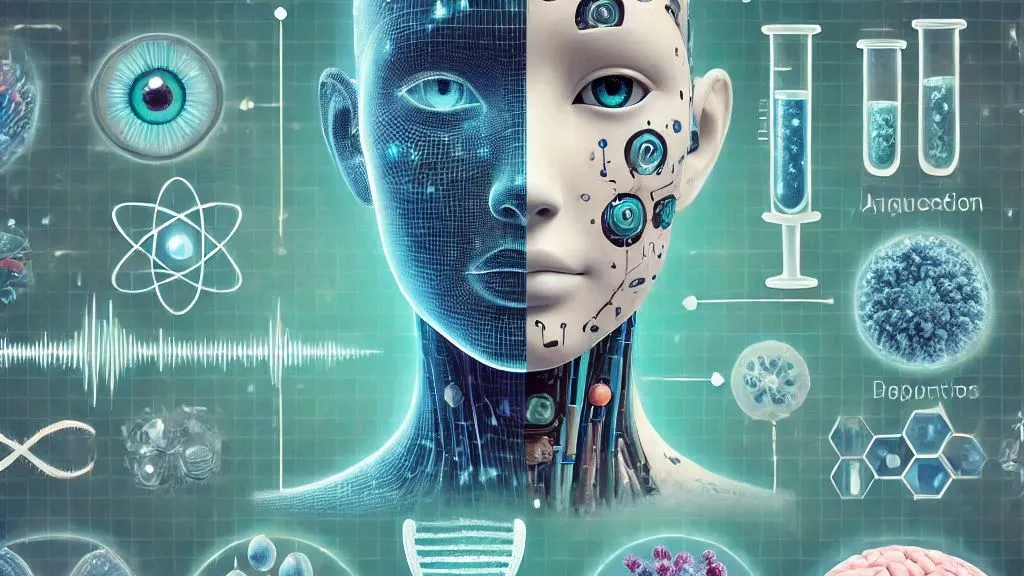
Biomedical Engineering and Wearables
7 projects
This research area sits at the intersection of engineering and medicine, focusing on the development of next-generation Wearable Health Devices (WHDs) for continuous, non-invasive patient monitoring. By leveraging advanced physiological signal processing (e.g., extracting precise features from ECG, EEG, and EMG data) and embedding machine learning algorithms directly into resource-constrained edge devices, we aim to translate raw biomedical data into actionable clinical insights. Our work encompasses the design of novel multimodal biosensors, real-time artifact reduction, and predictive modeling, ultimately driving the shift toward proactive, personalized healthcare and intelligent diagnostic systems.
Learn more -
Computer Vision
5 projects
Computer vision tasks include methods for acquiring, processing, analyzing, and understanding digital images, and extraction of high-dimensional data from the real world in order to produce numerical or symbolic information, e.g. in the form of decisions."Understanding" in this context signifies the transformation of visual images (the input to the retina) into descriptions of the world that make sense to thought processes and can elicit appropriate action. This image understanding can be seen as the disentangling of symbolic information from image data using models constructed with the aid of geometry, physics, statistics, and learning theory.
Learn more -

Generative AI
3 projects
Generative artificial intelligence (Generative AI, GenAI, or GAI) is a subfield of artificial intelligence that uses generative models to generate text, images, videos, audio, software code or other forms of data. These models learn the underlying patterns and structures of their training data and use them to produce new data in response to input, which often comes in the form of natural language prompts.
Learn more -
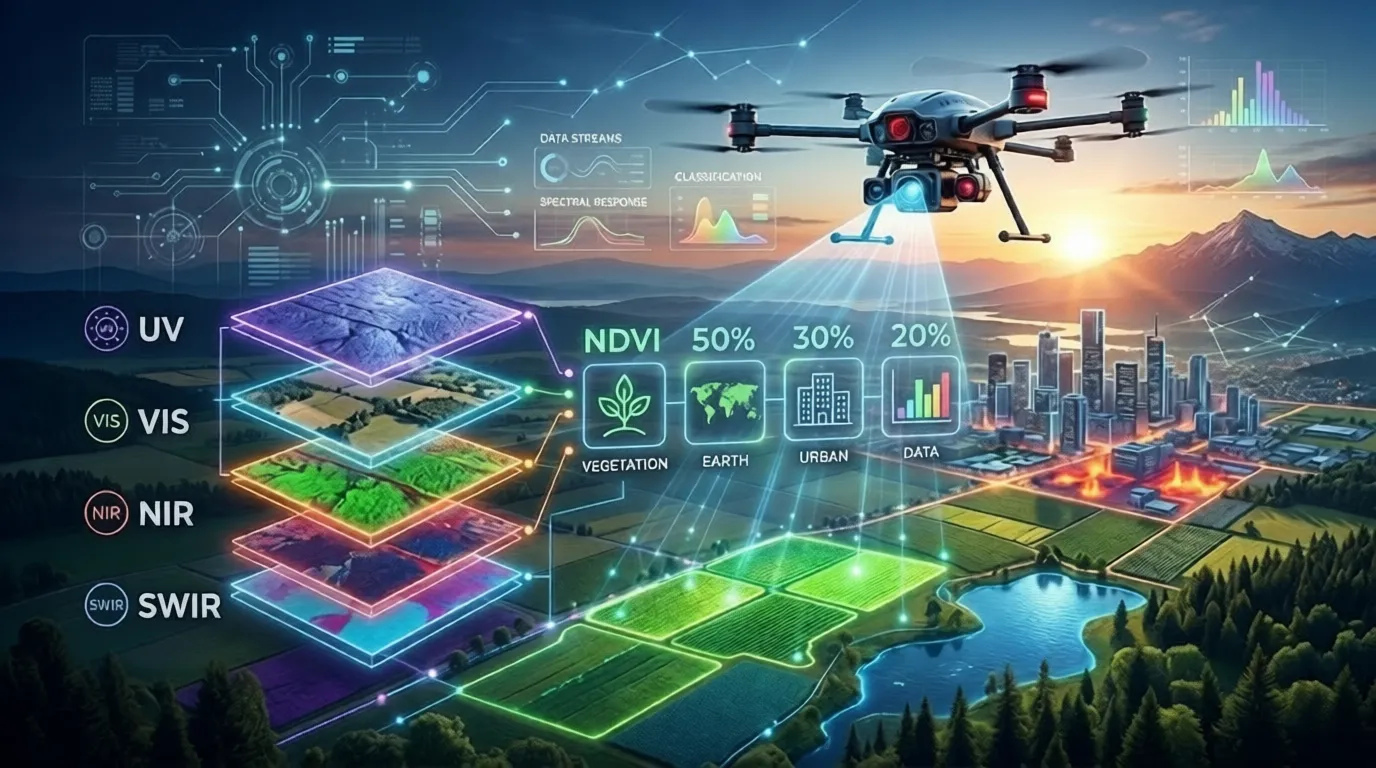
Multispectral Imaging
1 project
Multispectral Imaging (MSI) research explores the capture and analysis of light from discrete, broadly spaced bands across the electromagnetic spectrum—including non-visible wavelengths like infrared and ultraviolet—to reveal hidden physical properties of materials and environments. By structuring this data into a multidimensional spatial-spectral datacube, researchers apply advanced signal processing and optimization algorithms to decode complex interactions between light and matter. This mathematical approach allows scientists to identify materials, track environmental changes, and assess structural health in ways that are impossible with standard human vision or conventional cameras.
Learn more -

Smart Grid
2 projects
This research area focuses on transforming traditional power networks into autonomous, data-driven ecosystems. By integrating advanced signal processing, machine learning, and stochastic optimization, we develop solutions for the seamless integration of distributed renewable energy sources and the enhancement of grid resilience. A core component of our work involves demand-side management, leveraging techniques such as Non-Intrusive Load Monitoring (NILM) and real-time data analytics to optimize energy consumption patterns and ensure a stable, sustainable energy future.
Learn more -
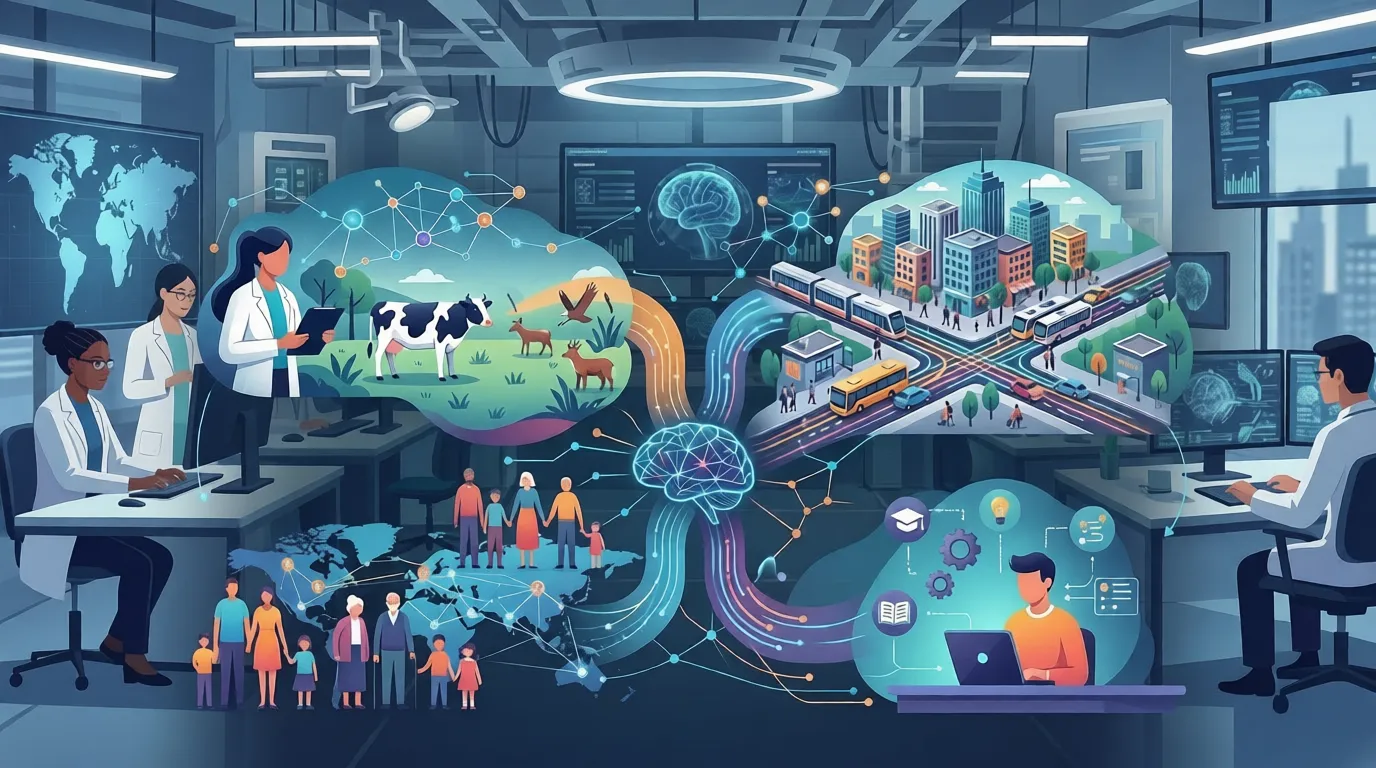
Socioeconomic
2 projects
This research area focuses on the critical intersection of artificial intelligence and human systems. By leveraging advanced machine learning and data analytics, we aim to understand and address complex societal challenges. Our current projects encompass a wide range of multidisciplinary efforts, including modeling human-animal behavioral dynamics, conducting deep demographic studies, analyzing large-scale mobility patterns, and developing innovative AI solutions for education. Ultimately, this group strives to translate data-driven insights into actionable strategies that improve socio-economic well-being and foster sustainable growth.
Learn more